

Thinking of Buying Property In Costa Rica? Read This Before You Do Anything
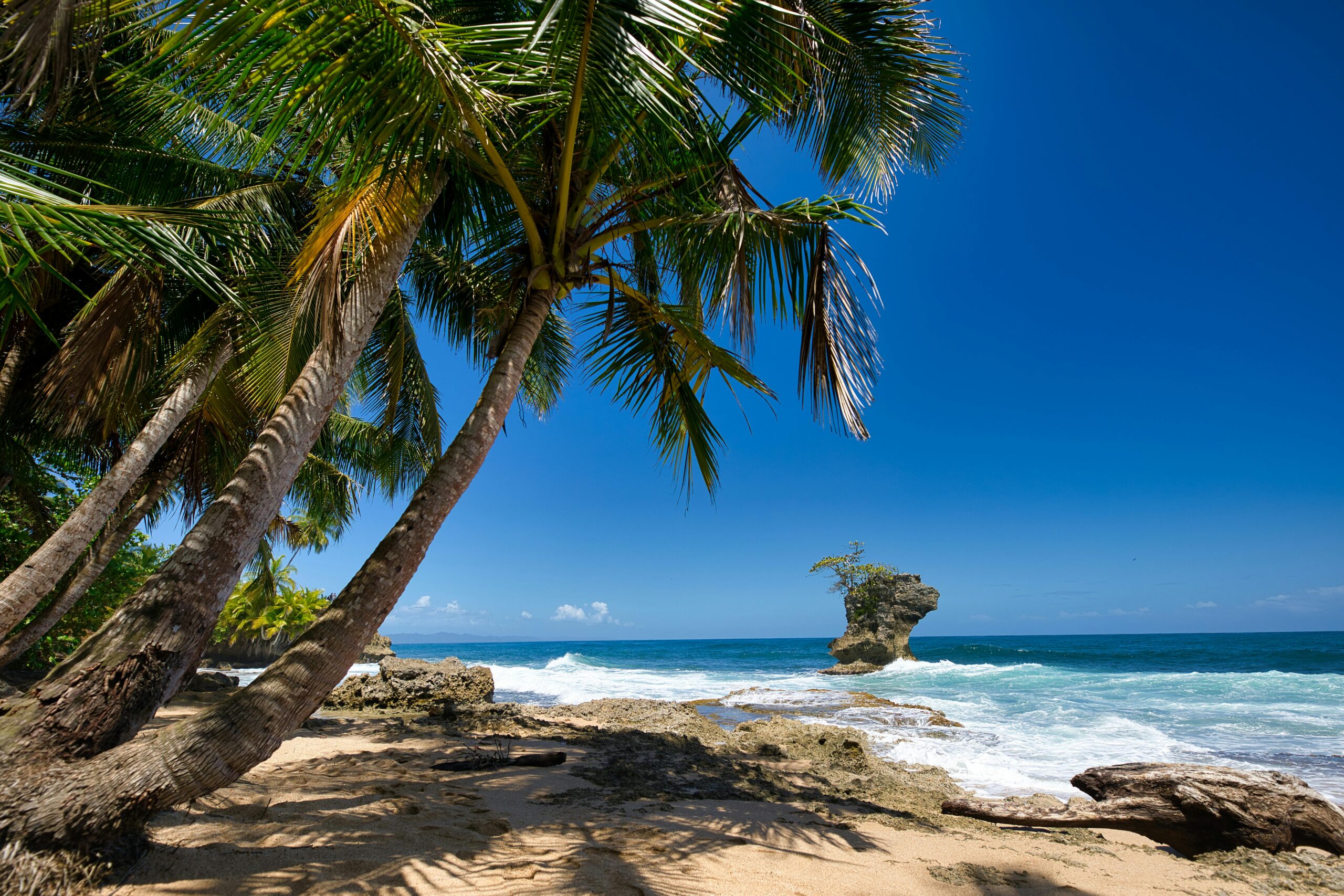
It’s easy to get caught up in the daydream of buying property in Costa Rica. Who doesn’t want to quit their job and start fresh in a tropical country, enjoying palm-lined beaches and seeing monkeys swing from trees while drinking their morning coffee?
Sounds great, right? Living in Costa Rica can feel that magical. However, many people make costly mistakes, invest poorly, and leave after a few years feeling defeated and financially drained.
If you’re thinking of buying property in Costa Rica, you need to read this before you do anything!
Best Places To Buy Property In Costa Rica

Before you can even begin to think of buying property in Costa Rica, you need to think about where you’d like to invest. Costa Rica is a small country with a varied landscape and remarkably different regions, climatically and culturally.
Consider where you’d like to live or invest before you start getting serious about buying. Here are a few of the most popular regions for foreigners investing in Costa Rican real estate.
Limón
Arguably one of the most vibrant and unique places to visit in Costa Rica, Limón Province was overlooked for many years. Part of that was due to access, the drive from San José through Braulio Carrillo National Park used to take up to eight hours. Today, thanks to major infrastructure improvements, that same journey can take as little as three hours, depending on traffic and weather.
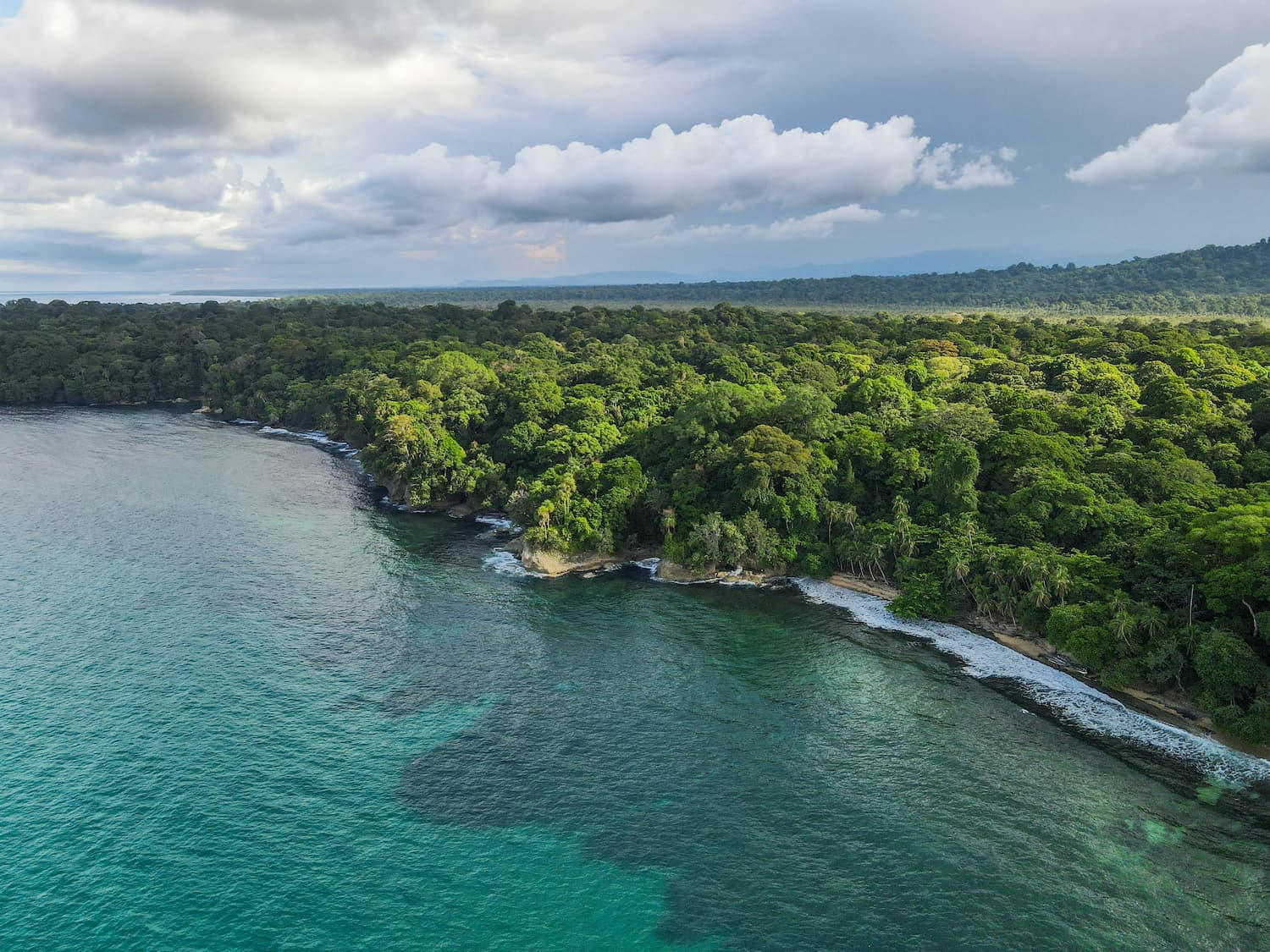
Limón spans the entire Caribbean coastline, from the Nicaraguan border in the north to Panama in the south. It is hot, humid, lush, and undeniably wild. This region is home to the largest Afro-Caribbean population in Costa Rica, and with that comes a rich, distinct culture that sets it apart from the rest of the country. However, there is also a more difficult truth. For decades, Limón has experienced a level of systemic neglect, in part tied to long-standing social and racial dynamics. This has impacted infrastructure, investment, and access to services, including healthcare.
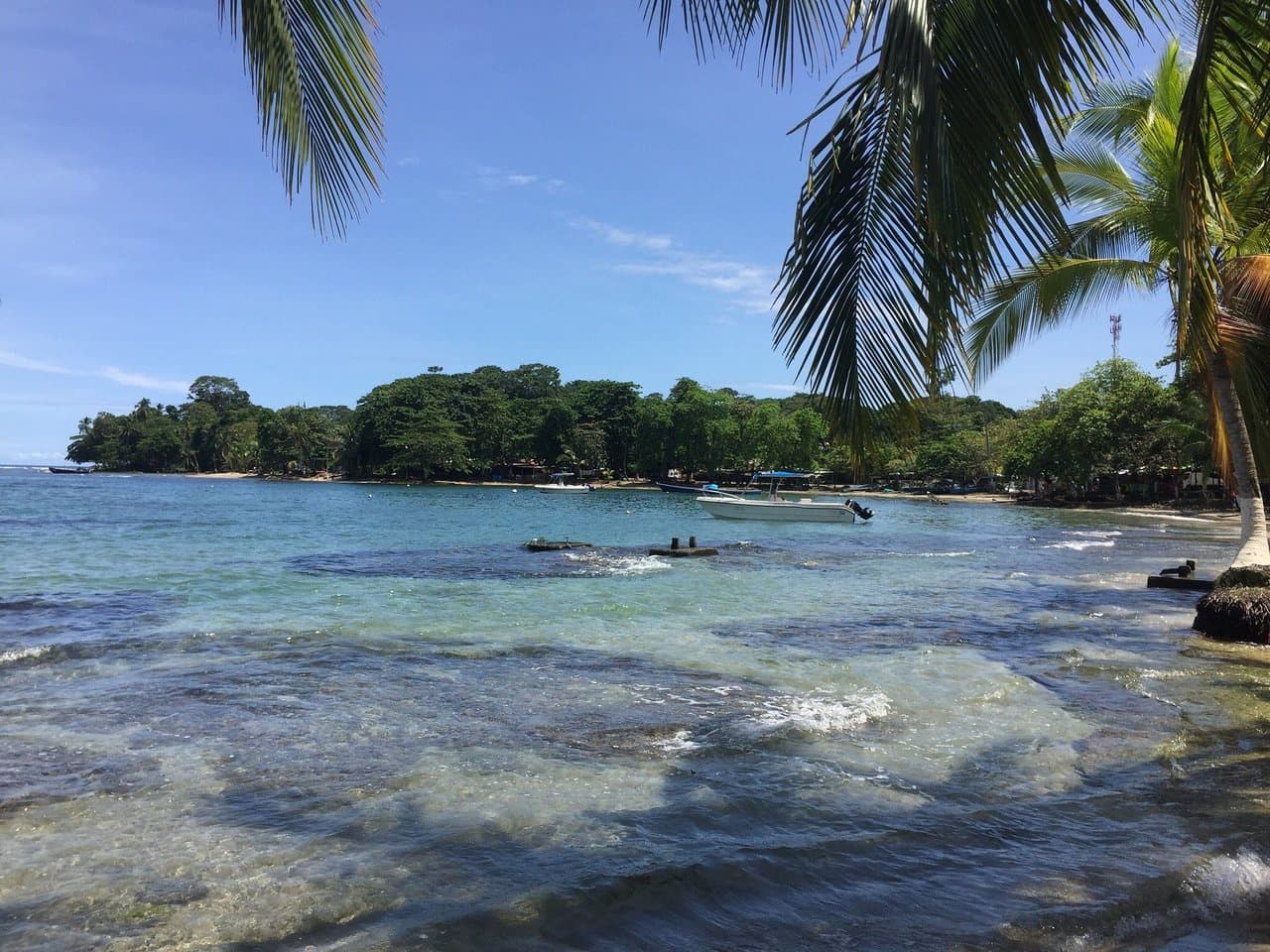
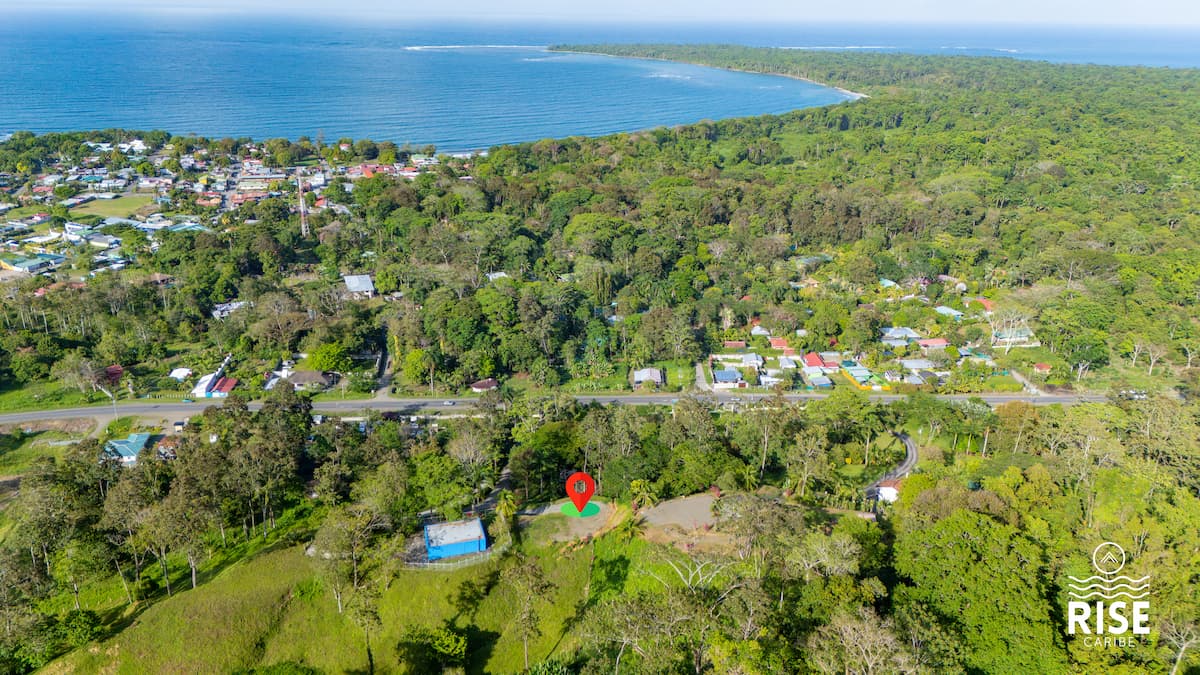
As a result, the province has historically had limited medical resources, with only one major hospital serving a large and spread-out population, and it is not widely regarded for high-level care. That said, change is underway. A new hospital project has recently begun construction near Cahuita, signaling a shift toward improved infrastructure and long-overdue investment in the region. Puerto Viejo sits about 20 minutes south of Cahuita along the coast, with both towns forming part of the province’s most popular and rapidly evolving stretch.
Development is now starting to gain momentum, and with it, increased interest from both local and international buyers. Prices remain relatively low compared to other parts of Costa Rica, but that gap is beginning to close as the area evolves.
Living in Limón means embracing a slower, simpler pace of life. Access to certain goods and services is more limited than in the GAM, and daily life requires a level of adaptability. For the right person, though, that trade-off is exactly the appeal.
Guanacaste
Guanacaste Province is located in the northwestern corner of the country and features many miles of golden sand beaches, as well as good infrastructure. The Liberia International Airport is located within Guanacaste, and many of the most popular beach communities are within an hour’s drive of the airport, making it easy to reach.
Guanacaste is also one of the hottest and driest parts of the country, home to some of the world’s only tropical dry forests. For some, this is an ideal place to visit and live, while for others it is a bit too hot, dry, and dusty for many months out of the year.
Greater Metropolitan Area (GAM)
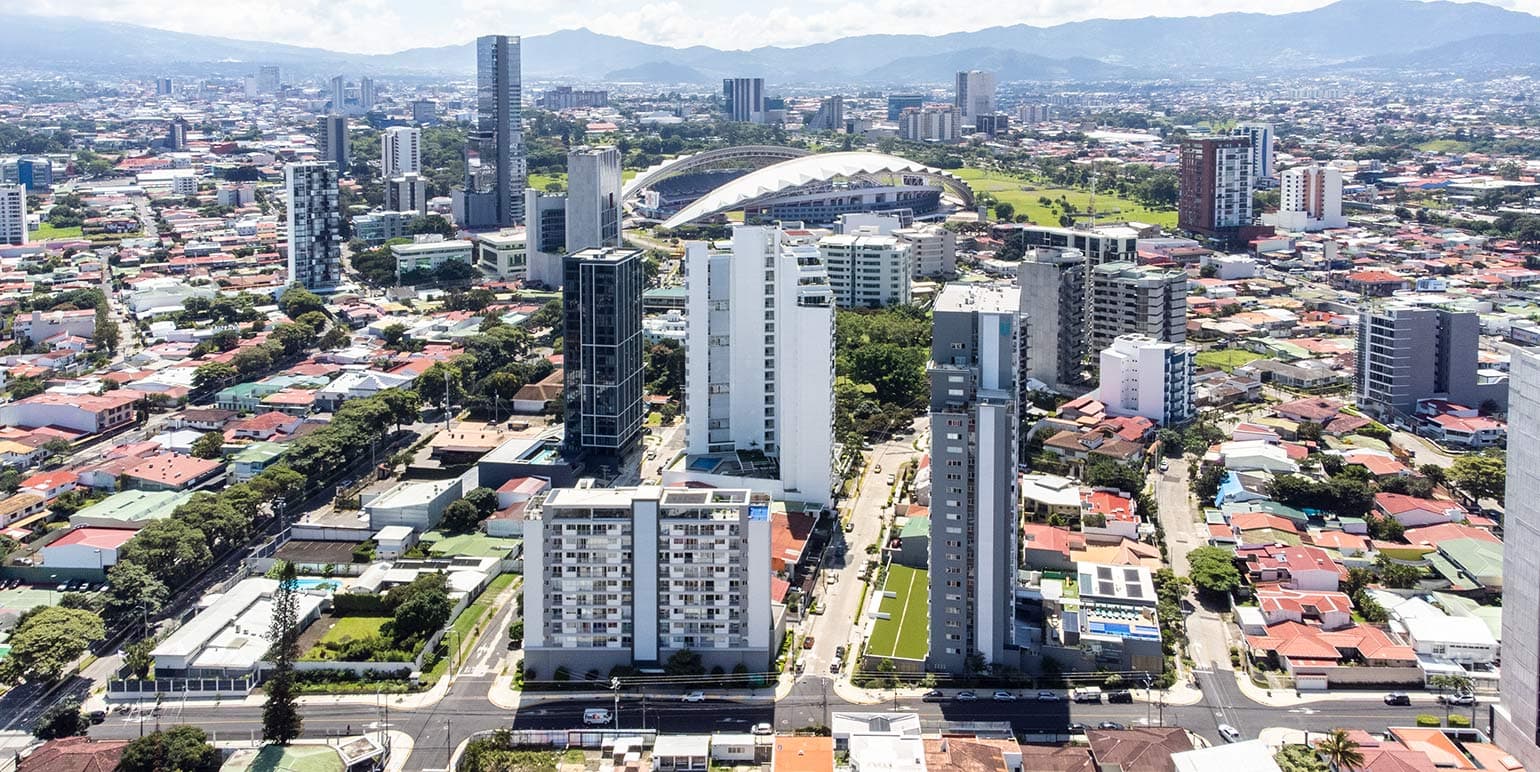
The GAM, or Greater Metropolitan Area, refers to the Central Valley region of Costa Rica and is home to San Jose, the capital, Alajuela, and Heredia. These are three of the largest cities in Costa Rica, and Juan Santamaria International Airport is located here, as well as some of the country’s best hospitals.
Other popular locations for buying or investing in real estate here include Escazu, Santa Ana, Puriscal, Grecia, and Sarchi. Advantages to living or investing in these areas include close proximity to the airport, ease of life with access to great schools, hospitals, shopping, and dining options.
Disadvantages to living here include changing one city for another. If you’re looking to escape the daily grind of your current life, San Jose, Alajuela, and Heredia might just end up feeling like more of the same, with rush hour traffic, crowds, and parking tickets.
The Southern Zone
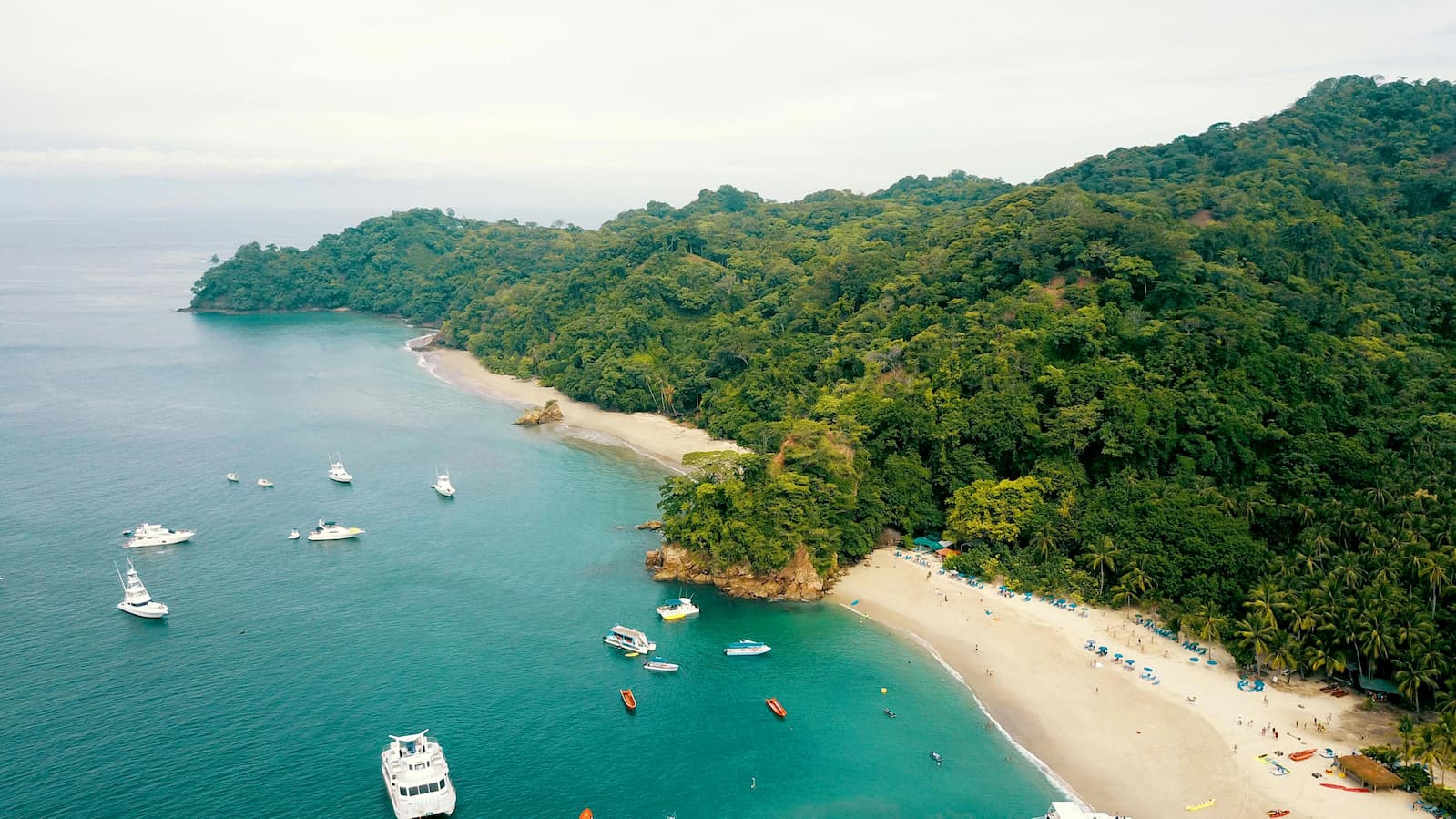
The Southern Zone refers to the southern Pacific coastline and the communities of Quepos, Dominical, Uvita, Ojochal, all the way down to Pavones. There is a quiet elegance to this region, with some big-money investments already tucked into the mountainside jungle slopes overlooking the Pacific coast, but this area hasn’t reached the point of hotel chains and all-inclusive resorts.
This region is more remote, with drive times from SJO ranging from 3 to 8 hours depending on how far down the coast you want to go. The jungle is lush and green here year-round, and heavy rainfall graces the region for months at a time. The surfing is some of the best in the world, and the biodiversity is unbelievable. But you’re far from certain services that might be important to you.
La Fortuna & Surrounding Area
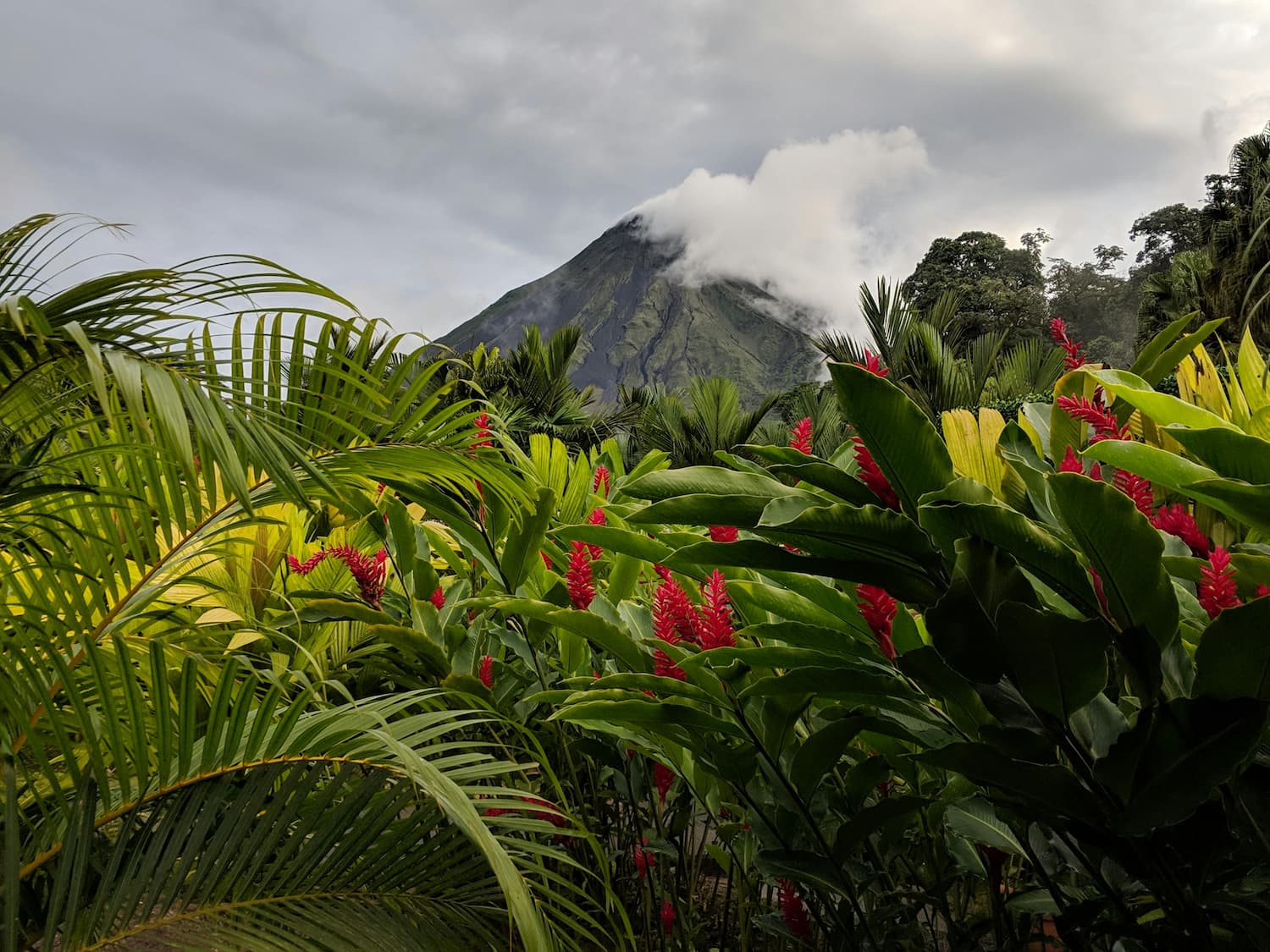
La Fortuna is home to the famous Volcan Arenal, and this area has been attracting visitors for years. Soaking in the natural hot springs at the base of this active volcano, it’s easy to decide to abandon your old life and make this home. And many people do just that.
La Fortuna and the surrounding fertile area have seen a boom in foreign investment over the past few years, and it’s one of the fastest-growing places to purchase real estate. While there are more developed areas near La Fortuna, the outskirts still hold a rural charm, and the prices here are lower than most beachfront property.
The weather stays cooler here throughout the year, but you’re at least a three-hour drive to the nearest beach.
Test Out The Pura Vida Life
These are just a handful of the hottest areas to purchase real estate in Costa Rica. There are plenty of other locations to check out, and the best way to know which place is right for you is to visit. Ideally, spend a few weeks to a few months in each location to see if you could really see yourself investing in and spending more time there.
While many people invest in Costa Rica just as a way to make money, from a luxury vacation rental, or an Airbnb income, most people invest because they see themselves spending more and more time in Costa Rica, and hopefully retiring there one day. Spending some time in the area before you decide to purchase is the best way to know if Costa Rica is right for you.
Major factors that can influence whether living and investing in Costa Rica is right for you are quality of life markers. Let’s take a look at a few:
- Healthcare: Before you decide to purchase real estate in Costa Rica, ask if you plan on living in your house for long periods of time. If so, do you need to be within an hour or less of a major hospital? If the answer is yes, this will greatly impact which areas you consider
- Shopping: Many people find it difficult to leave consumerism behind when they move to Costa Rica. While a simpler, less stressful lifestyle is part of the charm, if you enjoy shopping, investing, or having easy access to goods and services, living in the GAM may be a better fit for you.
- Eating Habits: It’s hard to rival the fresh produce in Costa Rica, and one of the things foreigners love most after moving here is the access to healthy, local food. However, in more remote areas, dining options can be limited and certain specialty items harder to find. Generally, the closer you are to the GAM, the easier it is to access a wider variety of foods and restaurants, That said, Puerto Viejo is a notable exception. Despite its distance from the GAM, it has developed an impressive and diverse food scene, with restaurants that are consistently high quality and often exceed expectations. The trade-off is that prices tend to be higher due to transportation costs and location, but for many, the level of cuisine and variety more than makes up for it.
- Community: Do you speak Spanish, or are you willing to learn? While many people who move to Costa Rica choose areas with established expat communities, those circles can feel small and limiting over time. Speaking Spanish expands your ability to connect more deeply, build meaningful relationships, and truly integrate into the local culture and community.
- Patience: Would you consider yourself a patient person? If not, get ready for a crash course! Living in Costa Rica takes a lot of patience and not everyone can adapt to the slow pace of life, and the bureaucracy that feels arduous at times.
- Expectations: Like anything in life, the more we think we know what will happen, the more likely we are to feel disappointed. Moving to, living in, and investing in Costa Rica are big decisions that come with unexpected twists and turns. Keeping an open mind is key to finding both success and happiness.
How To Buy Property In Costa Rica
Let’s say you’ve considered your quality of life markers, and spent some time exploring the different regions of Costa Rica and you feel ready to purchase a home and invest. Now what?
How do you actually go about buying a property in Costa Rica? Here is a quick guide to purchasing Costa Rican real estate with some helpful tips and tricks.
Costa Rica Real Estate Guide
This is a quick breakdown of the steps to take to purchase a home in Costa Rica. Check out our specific blogs for more in-depth information on each step.
- Step One: Set your budget and narrow down your search options. Remember to include closing costs in your budget, not just the asking price!
- Step Two: Find a local realtor in your target area, such as RISE Caribe in Limón. In Costa Rica, realtors are typically region-specific. Your goal is to find someone you trust and enjoy working with. A good realtor is not limited to their own listings—they can show you properties from other agencies as well. If someone says they can’t, it usually means they’re unwilling to collaborate.
- Step Three: View as many properties as possible. Real estate here is incredibly diverse, and building standards differ from places like the United States or Canada. You won’t find many track homes, and apartments or condos are relatively limited, so each property tends to be unique.
- Step Four: Make an offer and put down a deposit. This will be with the guidance of your realtor and a lawyer they trust. Legal representation isn’t optional, and good lawyers are priceless.
- Step Five: Due Diligence process to get everything in order and make sure there are no red flags. This usually takes one to three months after an accepted offer. Your lawyer will do most of the heavy lifting, but you will have tasks to complete during this process as well.
- Step Six: Sign and close!
- Step Seven: Enjoy your new life! If you plan on living in your home or using it as an investment property, you’ll want to find a property management team to help you with maintenance. Some real estate offices like RISE Caribe, offer property management services as well.
Common Mistakes People Make When Investing In Costa Rica
- Not receiving a proper Due Diligence of the land they are buying. This can lead to legal issues in the future.
- Not getting a topographer to check the coordinates of the lot. Make sure the borders and boundaries are correct before you buy.
- Looking at asking prices without factoring in closing costs. Closing costs add 3 to 5% to the total cost of your investment. Be sure you have enough!
- Choosing the wrong area. If you’re a mountain gal at heart, the beach might seem like the right investment, but it could be the wrong place for you. Listen to your heart and your gut.
- Know what you don’t know. This isn’t your country, and while you might feel like you know how to buy a home from your past experience, it’s different here. Allow yourself to be guided by experienced realtors.
If you’re considering purchasing property in Costa Rica and you think Limon might be the right fit for you, contact us at RISE Caribe. With over ten years of experience helping clients buy and sell homes and properties in the Caribbean, we’re happy to help guide you through the process.